


The Role of Software Testing in Regulated Industries
Software testing in regulated industries goes beyond finding bugs. It ensures that software adheres to strict compliance requirements, provides robust data security, and maintains high-quality standards. Here's how these services achieve this:
1. Quality Testing Services in Regulated Industries
In sectors like healthcare and finance, software errors can lead to catastrophic outcomes. Quality testing services are designed to prevent these issues by rigorously testing software to identify and fix bugs before they cause problems. This includes everything from functional testing to user experience assessments, ensuring software not only works but works well under all conditions.
2. Speed and Efficiency
Automation testing is a game-changer, especially in highly regulated industries where updates are frequent, and compliance must be continually verified. Automation allows for repetitive tasks to be executed quickly and accurately, ensuring compliance without sacrificing speed. This is particularly important in industries like finance, where rapid updates are common.
3. A Necessity for Connected Devices
IoT devices are proliferating, and with them comes the need for rigorous testing. IoT app testing services ensure that connected devices communicate effectively, maintain data integrity, and comply with relevant regulations. This testing is crucial in industries like healthcare, where connected medical devices must adhere to strict safety and privacy standards.
4. Ensuring Seamless Integration
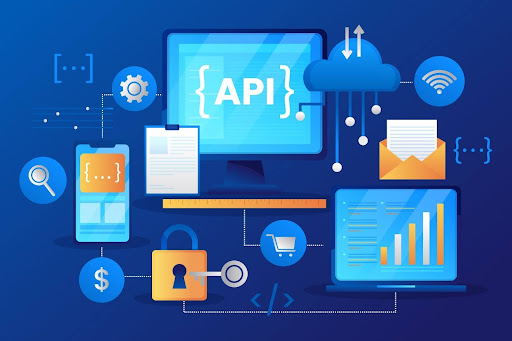
APIs are the backbone of many modern applications, allowing different systems to communicate. In regulated industries, APIs must be secure, reliable, and compliant. API testing services validate that these APIs are functioning correctly and securely, ensuring that data exchanges meet compliance standards and do not expose systems to vulnerabilities.
Challenges in Software Testing for Regulated Industries
Working in regulated industries comes with its own set of challenges. Testing isn’t just about finding bugs; it’s about ensuring that every line of code complies with stringent regulations. But that’s easier said than done.
1. Keeping Up with Regulatory Changes
Regulations are like the weather—constantly changing. Staying compliant means you’ve got to keep your finger on the pulse, updating your testing strategies as regulations evolve.
2. Managing Data Security and Privacy
In industries like healthcare and finance, data isn’t just data; it’s sensitive, private information. Testing services must ensure that software not only functions correctly but also handles data in a way that’s compliant with regulations like GDPR or HIPAA.
3. Resource Constraints
With so much riding on compliance, you might think that companies would throw endless resources at the problem. However, that’s often not the case. Many organizations struggle with limited budgets and manpower, making it challenging to keep up with the rigorous demands of regulated industries.
Conclusion
Navigating the complexities of compliance in highly regulated industries is no small feat, but with the right software testing services, it becomes significantly more manageable. By leveraging quality testing services, automation testing, IoT app testing, API testing, and more, businesses can ensure their software not only meets regulatory standards but also delivers exceptional quality and reliability.


 Email Us
 Call Us