Software Testing Checklist: What Belongs on It, Phase by Phase
This software testing checklist groups every item by the phase of the test process it belongs to, marks the items teams routinely skip, and shows how to wire the lis…
Vervali reviews cloud configuration and tests the controls behind a compliance claim: identity and permission models, encryption in transit and at rest, network and storage exposure, logging and audit trails, backup and recovery, and the evidence a HIPAA, PCI DSS or SOC 2 readiness review will ask you to produce. Findings are risk-ranked and mapped to the framework that applies to you.


ISO/IEC 17025:2017Accredited testing laboratory

CMMI Maturity Level 3The process is written down and repeats

ISO 9001:2015Quality management

ISO/IEC 27001Information security
We test whether the controls protecting cloud workloads operate as designed and can be evidenced. Application-level framework checks are covered by compliance testing, with attack simulation available through penetration testing.
Over-broad roles, unused credentials, and the path from a low-privilege account to a high one. We check who can assume what, which keys still work, and whether a contractor login from last year still opens production. The finding is a path, not a count of users.
In transit and at rest, and where the keys live. A bucket marked encrypted with the key sitting in the application, or TLS that stops at the load balancer, is the kind of miss a review board will ask about. We check the configuration, not a policy paragraph.
What is reachable from the internet that should not be. Public snapshots, open security groups, storage URLs that never needed to be public. If an attacker can fetch it without an account, it is in this block, whether or not a posture tool already opened a ticket on it.
Whether an incident could be reconstructed at all. Logging that was never turned on, logs that expire before anyone would look, and trails that do not name the actor. If you cannot show who changed a permission last Tuesday, the control is not evidenced.
Whether the restore has ever been tested. A backup job that is green in the console and unrestorable is not a control. We ask for the last restore, the time it took, and whether the encryption keys needed to read it were still held by people who work here.
Turn cloud posture findings into a risk-ranked control and evidence plan.
Free Compliance Gap Check (One Framework, One Application)We validate posture-tool findings against the actual account, attack path and framework obligation. False positives fall away, while reachable exposures and missing evidence move to the top.
We take the tool's output as a starting list, not as the report. A finding that requires a path the account does not have is discarded. A finding that opens production data stays. Rank is by reachability and by the framework you named, not by the tool's default severity. You get a shorter list a person can act on this week.
We do not invent a savings percentage for your estate. On a banking engagement the same argument showed up as 68% less vulnerability noise, because the list was cut to what was real and reachable. Your number will be different. The method is the same: less noise, a ranked remainder, and evidence for the ones that stay. Delivery is from India, with the ranking discussed in US hours.
If no posture tool is deployed, we can still review the console and configuration directly. Exploit validation and broader attack coverage are available through penetration testing and the security testing service.
We test the customer-owned side of cloud responsibility: identity, data exposure, encryption, logging and recovery. Application controls are covered by compliance testing for healthcare and fintech and banking workloads.
The provider typically covers the physical facility, the hypervisor, and the managed service up to the line they publish. You still own identity, which data is public, encryption you configured, logging you turned on, and backups you can actually restore. The gap is default-open storage, keys in the app, and audit trails that were never enabled. That gap is where this review spends its time, on AWS and Azure estates as well as hybrid accounts.
HIPAA in the cloud: where electronic protected health information sits, who can reach it, whether it is encrypted in transit and at rest, and whether a use can be reconstructed from logs. PCI DSS in the cloud: the cardholder data environment you defined, segmentation from everything else, what is stored versus tokenised, and scripts on payment paths that you did not write. We test those controls. We do not issue a HIPAA or PCI certificate. A PCI attack test of agreed in-scope assets is quoted on penetration testing, not buried in this review.
We test cloud controls and organize their evidence before the SOC 2 auditor begins. Vervali supports readiness but does not issue an audit opinion or describe itself as SOC 2 compliant or certified.
We map the Trust Services Criteria you named to the cloud controls that actually exist, test those controls, and put the artefacts in a pack an auditor can open. Access, encryption, logging, change, and availability evidence from the accounts in scope. Gaps come with a remediation path so you are not handing an auditor a surprise. US-hours coverage, 9am to 1pm Eastern, is when that pack is walked through.
A licensed audit firm issues a SOC 2 report. Vanta, Secureframe and similar tools help you collect. Neither Vervali nor a tool is your auditor. We do not say Vervali is SOC 2 compliant. We do not say we will get you certified. We test readiness. The signature on the report is not ours.
The final pack connects each cloud control to its test, result, artefact and remediation status. Missing or stale evidence remains a visible gap until the corrected control is retested.
One row per control: the control, the test performed, the result, the date, the artefacts, and the gaps with a remediation path. Screenshots, export files and log extracts sit next to the row they support. A reviewer should not have to hunt across five tools to reconstruct one answer. If an artefact is missing, the row is a fail until it exists.
A dated pack, not a slide deck. You can forward it. On a banking engagement, audit preparation went from 5 days to 5 hours once the pack existed, which is 80% less time spent assembling evidence after the fact. Test data handling for those artefacts sits on test data management and compliance. Retention of the pack is yours; we do not keep production data after the engagement unless the contract says so.
Delivery evidence across banking and fintech shows how validated findings, cloud controls and audit artefacts reduce security noise and review effort.
Banking · audit evidence and vulnerability noise
Before: vulnerability noise was burying the work that mattered, and audit preparation took five days of assembling screenshots. Vervali ranked what was real and reachable, tested the controls behind the claim, and left a dated evidence pack. After: 68% less vulnerability noise, and 80% less audit preparation, from 5 days to 5 hours. The bank stays unnamed.
68% less vulnerability noise 80% less audit preparation 5 days to 5 hoursUAE · fintech platform · API
Before: authorisation between accounts was the class of finding a payments platform cannot leave untested, and the APIs sat on cloud infrastructure the team did not fully evidence. Vervali tested the API controls and the cloud configuration around them. After: a ranked report and a retest of agreed in-scope assets. The client stays unnamed.
API controls Cloud configuration around them UAE fintechCloud configuration inside a wider security engagement
Before: the ticket said security testing, and the workload still lived in cloud accounts whose IAM, encryption, exposure, logging and restore had not been evidenced as controls. Vervali ran the five blocks as part of that engagement rather than as a separate product name. After: the same pack an auditor can open, plus the attack work that belongs on penetration testing when it is in scope.
Five-block configuration review Inside a wider engagement Evidence pack, not a scan dump
OUR BLOGS
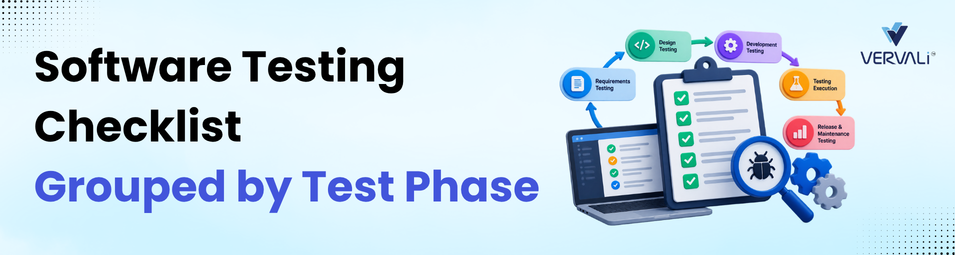
This software testing checklist groups every item by the phase of the test process it belongs to, marks the items teams routinely skip, and shows how to wire the lis…
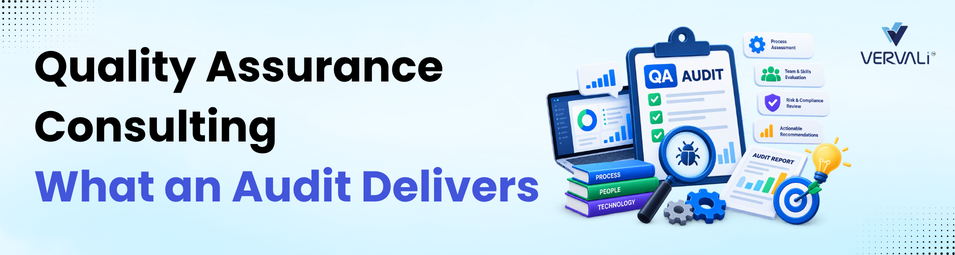
This guide explains what a QA maturity assessment scores you against, what the deliverable looks like on the last day, and when advisory work is the wrong purchase.
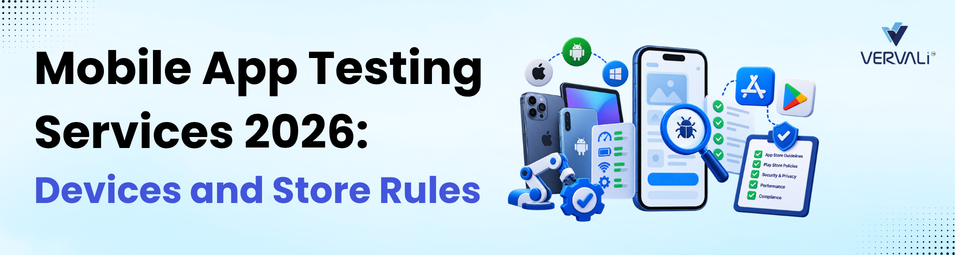
This guide explains what mobile app testing services cover, how to size a device matrix from United States traffic data, and what Apple and Google check before a rel…

This guide prices the five QA outsourcing engagement models against the cost of an in-house hire, and names the situations where outsourcing is the wrong call.
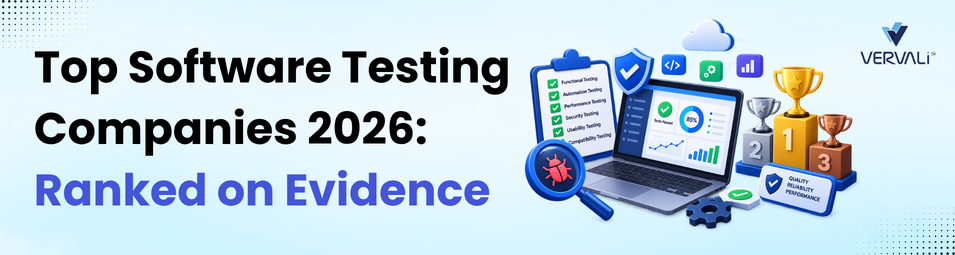
This article ranks nine software testing companies on their verified review evidence and engagement floors, and sets out the criteria before the ranking.
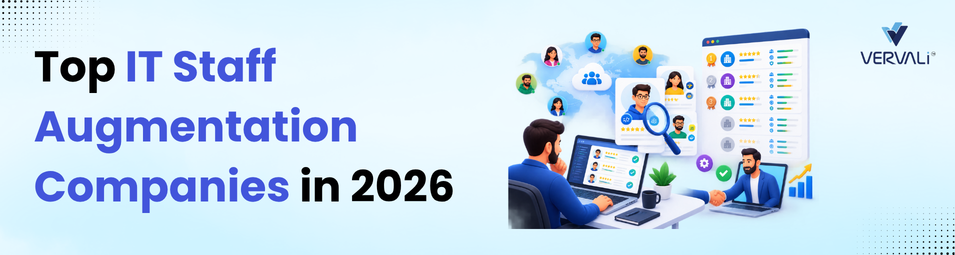
A ranked comparison of ten IT staff augmentation vendors on verified Clutch data, with the ranking criteria stated before the list. Covers why the highest-rated firm…
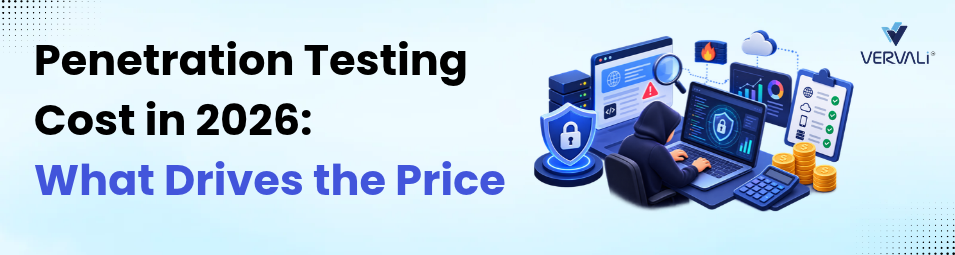
Penetration testing is priced by tester-days multiplied by a day rate, plus reporting and retest. This guide sets out the seven variables that move a quote, how to e…
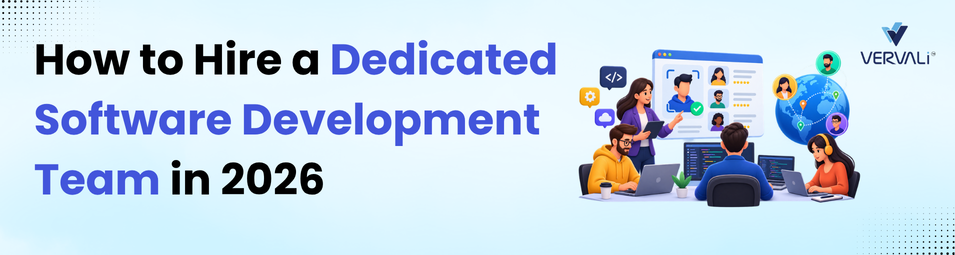
A dedicated development team is a contract for a named group of engineers who work only on your product, with the vendor carrying employment, replacement and infrast…

Our Expertise


Trusted by 150+ Leading Brands

A Strong Team of 275+ QA and Dev Professionals

Worked across 450+ Successful Projects
 Email Us
 Call Us
From flawless code to flawless quality - we design, develop, and test digital solutions that deliver real results.